
Construction & Project Management · 14.11.2022 · 4 min read
DIN EN ISO 50001 is the international standard for energy management systems, published since 2011. It can be applied by any organization to continuously improve energy efficiency and cut costs.

DIN EN ISO 50001 is an international standard for energy management systems that has been published since 2011. The standard can be applied by any organization, no matter how large or which industry or service sector the company belongs to. Standards such as these make a decisive contribution to improving energy management as a whole.
The primary objective of an energy management system that uses the DIN 50001 standard is to continuously drive forward the improvement of energy-related performance in terms of energy efficiency, energy use and energy consumption. It also aims to tap unused energy efficiency potential, cut energy costs and reduce greenhouse gas emissions.
Application of the standard is not mandatory. Nevertheless, it is only sensible and advantageous for companies to make use of this standard. Some of the advantages are:
The requirements for ISO 50001 certification include the systematic recording of energy flows and the use of detailed and suitable monitoring mechanisms. In addition, energy targets and action plans must be drawn up and legal requirements must be met. The procedure takes place step by step and conceptually as a continuous improvement process, also known as the PDCA cycle. PDCA stands for Plan, Do, Check and Act.
In order for your energy management system to be certified, it needs to be audited by an external provider. The German Accreditation Body provides a complete overview of the various certification bodies, including:
Before the assessment or audit can be carried out, an internal audit is required. You should ask yourself the following questions:
After commissioning, the auditor checks in two steps whether your energy management system meets the requirements of ISO 50001. First, the focus is placed on the documentation of the system and the location. Then the effectiveness of the energy management system and its conformity with the standard requirements are checked. Based on these results, conformity with the requirements of the standard is determined.
Only transparent and reproducible consumption measurements can ultimately be correctly analyzed and optimized – ideally with standardized standards. Only a holistic and efficient handling of consumption data enables significant cost savings. Especially in today’s world, which is characterized by considerable price fluctuations and crisis situations, you as a company need sustainable and efficient energy management that not only takes care of the analysis of existing data, but also enables optimization strategies.
KENEXOS® makes it easy to get started with digital energy management and provides you with all the tools you need for process optimization in construction and building technology, industry and the public sector. Test the centralized, device-independent software solution for documentation, order entry and awarding, process planning and optimization as well as complete team communication now for 14 days free of charge. You can find all the information you need at www.kenexos.com.
From the blog
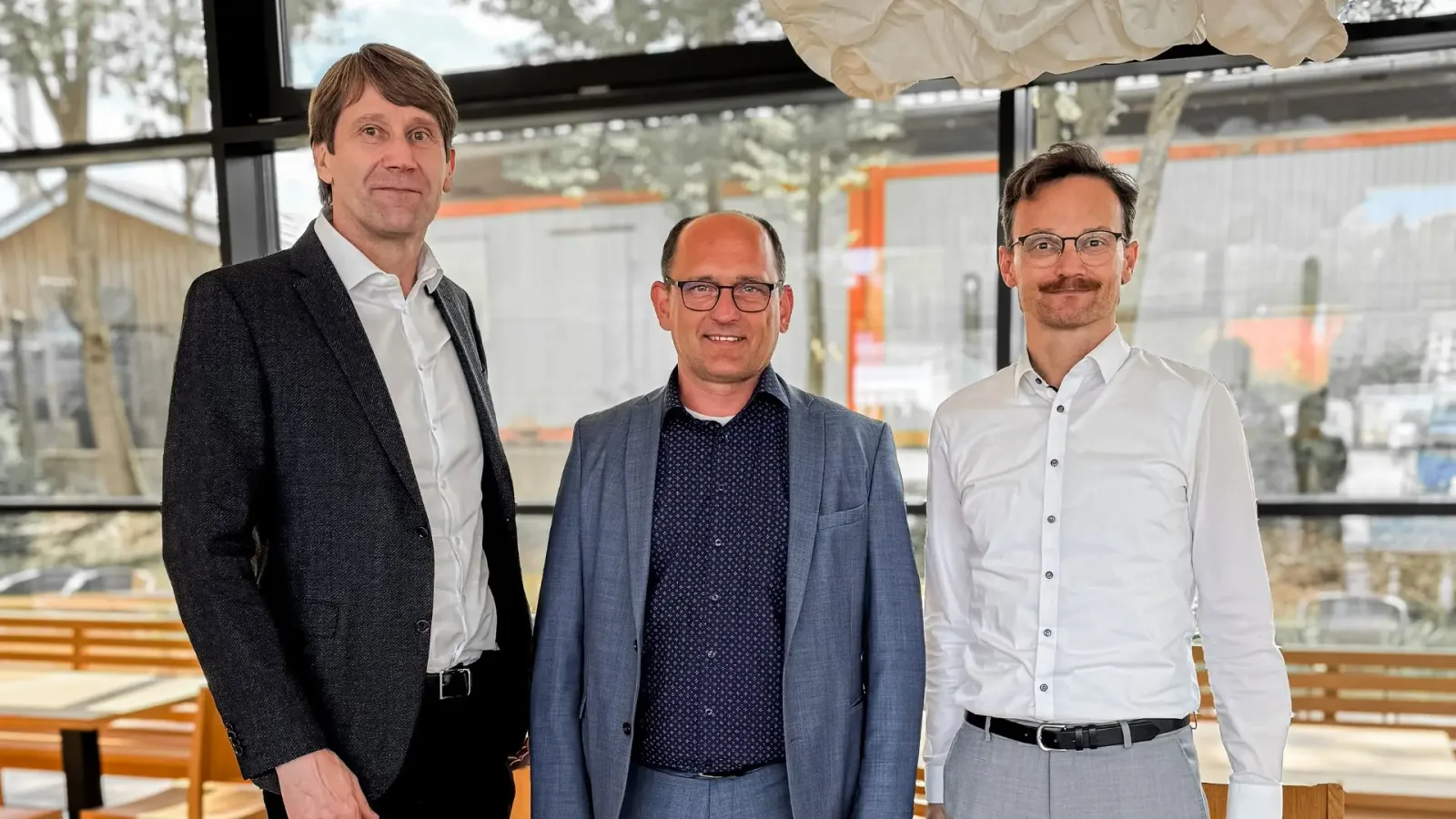
The Kreutzpointner Group continues to grow: Kreutzpointner Business Software GmbH (KBS) acquires EBCsoft GmbH, an experienced software provider from Leipzig specializing in digital solutions for facility management.
Read more
KENEXOS® digitization software from Kreutzpointner sister company KBS is successfully in use at Munich Airport and the city of Burghausen, bringing together all information for building administration and maintenance on one cloud-based platform.
Read more
Mobile apps give property managers a flexible, efficient way to stay on top of their portfolios and optimize processes from anywhere. This article highlights the key developments and the latest facts and figures.
Read moreTest free of charge